Background Peru Independence Day and Its Cultural Significance
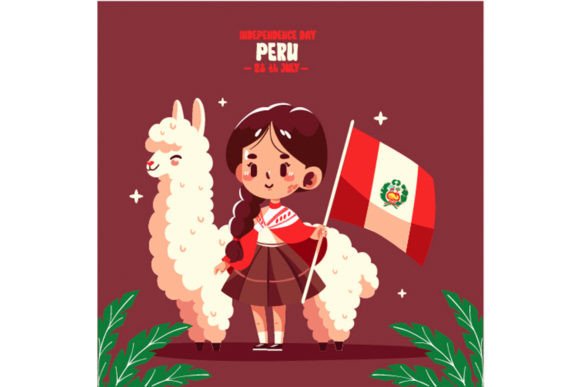
The Background Peru Independence Day is a pivotal moment in the nation's history, marking the day when Peru declared its freedom from Spanish rule. This celebration is not just a historical event but also a vibrant expression of national identity and pride. The image included in this discussion—a vector illustration featuring a young girl holding the Peruvian flag alongside an adorable alpaca—captures the essence of this celebration. It highlights the cultural richness and the deep connection between the people and their heritage.
Peru's independence was won on July 28, 1821, by General José de San Martín, who led the country to freedom. This date is commemorated annually with various festivities that include parades, traditional dances, music, and local crafts. These events serve as a reminder of the struggles and sacrifices made by those who fought for Peru's sovereignty. The celebration is not only about remembering the past but also about fostering a sense of unity and patriotism among the citizens.
Understanding the Elements of the Illustration
The illustration showcases a young girl, symbolizing the future generation of Peru, proudly holding the national flag. This imagery is powerful, as it represents the passing of cultural values from one generation to the next. The presence of an alpaca, a native animal of the Andes, adds a layer of authenticity and connects the scene to the natural landscape of Peru. The alpaca is often associated with the country's rural communities and their way of life, making it a meaningful element in the design.
The background of the illustration depicts a lively celebration of Peru Independence Day. This setting is crucial as it provides context for the scene, illustrating the joy and enthusiasm that accompany the holiday. The vibrant colors used in the illustration reflect the energy and spirit of the occasion, drawing viewers into the celebration and encouraging them to appreciate the significance of the event.
Applications and Use Cases of the Illustration
This vector illustration has a wide range of applications, making it a valuable asset for various purposes. Educators can use it in classrooms to teach students about Peruvian history and culture. The visual representation helps to engage students and make learning more interactive and enjoyable. Additionally, the illustration can be utilized in cultural events to promote awareness and appreciation of Peru's heritage.
For businesses, the illustration can serve as a marketing tool to connect with the Peruvian community and celebrate the country's achievements. It can be incorporated into promotional materials, such as brochures, posters, and digital content, to create a sense of belonging and pride. Moreover, the illustration's aesthetic appeal makes it suitable for decorative purposes, adding a touch of cultural richness to any space.
Benefits of Incorporating the Illustration
Incorporating this illustration into various projects offers several benefits. One of the primary advantages is its ability to convey a strong message of national pride and cultural identity. The image serves as a visual representation of Peru's history, making it an effective tool for storytelling and education. By using this illustration, creators can highlight the importance of preserving and celebrating cultural heritage.
Another benefit is the versatility of the illustration. It can be adapted for different formats and mediums, allowing for creative expression across various platforms. Whether used in print or digital media, the illustration maintains its impact and relevance. This flexibility makes it an ideal choice for designers, artists, and educators looking to incorporate elements of Peruvian culture into their work.
Considerations When Using the Illustration
While the illustration is visually appealing and rich in cultural significance, there are some considerations to keep in mind when using it. First, it is essential to understand the context and meaning behind the imagery to ensure it is used appropriately. Misinterpretation or misuse of the illustration could lead to a lack of respect for the culture it represents.
Additionally, when incorporating the illustration into any project, it is important to consider the target audience. The illustration may resonate differently with various groups, so it is crucial to tailor the presentation to suit the intended recipients. This ensures that the message is effectively communicated and appreciated.
Finally, when using the illustration, it is advisable to research and acknowledge the sources of inspiration. Recognizing the cultural significance of the elements depicted in the illustration fosters a deeper understanding and respect for the traditions and values it embodies. This approach not only enhances the credibility of the work but also promotes a more inclusive and respectful representation of Peruvian culture.
Conclusion
The Background Peru Independence Day is a significant event that celebrates the nation's freedom and cultural heritage. The illustrated image of a young girl holding the national flag alongside an alpaca encapsulates the spirit of this celebration, highlighting the importance of tradition, pride, and unity. By understanding the elements of the illustration and considering its applications, users can effectively utilize this artwork to promote cultural awareness and appreciation. Whether for educational, commercial, or artistic purposes, the illustration serves as a powerful reminder of Peru's rich history and the ongoing journey of its people.