Abstract Floral Letters: A Strategic Tool for Creative Expression and Brand Identity
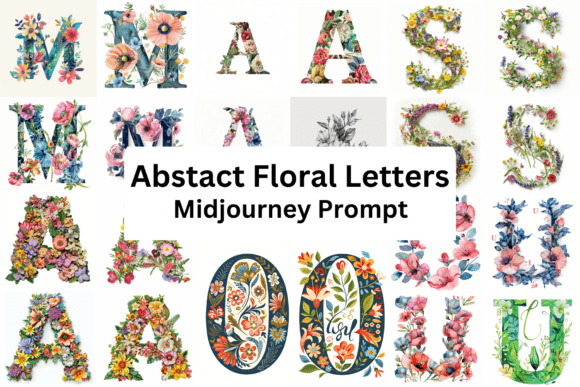
Abstract Floral Letters offer a unique intersection of art and functionality, transforming the alphabet into a canvas for natural beauty and creative interpretation. These designs, which incorporate elements like leaves, flowers, and vines, provide a visually striking way to communicate messages while enhancing aesthetic appeal. For professionals, entrepreneurs, and creatives, understanding how to strategically use Abstract Floral Letters can lead to more impactful communication, stronger brand identity, and enhanced customer engagement.
The value of Abstract Floral Letters lies in their ability to blend artistic expression with practical application. Whether used in marketing materials, personal branding, or event invitations, these designs can elevate the visual language of any project. Their abstract nature allows for flexibility, making them suitable for both traditional and modern contexts. However, their effectiveness depends on thoughtful integration into broader strategic goals.
Why Abstract Floral Letters Matter in Modern Communication
In an era where visual content dominates, the way information is presented can significantly influence perception and engagement. Abstract Floral Letters provide a fresh alternative to standard typography, offering a way to stand out in crowded markets. By incorporating natural motifs, these designs can evoke emotions associated with growth, harmony, and creativity—qualities that resonate well with audiences seeking authenticity and uniqueness.
For businesses, this translates into a more memorable brand presence. A logo or tagline featuring Abstract Floral Letters can differentiate a brand from competitors, creating a distinctive visual identity. This is particularly valuable in industries such as fashion, wellness, and lifestyle, where aesthetics play a central role in consumer decision-making.
From a psychological perspective, floral patterns are often linked to positive associations, such as renewal and vitality. When integrated into letters, these elements can subtly reinforce the message being conveyed. For example, a wedding invitation using Abstract Floral Letters might enhance the romantic and elegant tone of the event, while a business card with such a design could signal creativity and attention to detail.
Strategic Use Cases for Abstract Floral Letters
Abstract Floral Letters are not just decorative; they can serve specific strategic purposes when applied intentionally. One common use case is in branding and identity development. A company looking to position itself as innovative and eco-conscious might incorporate floral motifs into its logo or website design. This approach aligns with broader sustainability trends and helps build trust with environmentally aware consumers.
Another practical application is in event planning and personalization. Invitations, banners, and signage featuring Abstract Floral Letters can add a touch of elegance and individuality to weddings, corporate events, or community gatherings. The customizability of these designs allows for tailored experiences that reflect the personality and values of the host or organizer.
For educators and content creators, Abstract Floral Letters can be a tool for engaging students or audiences. In lesson plans, worksheets, or digital content, these designs can make learning more visually appealing and interactive. They can also be used to illustrate concepts related to nature, art, or history, providing a multisensory learning experience.
When to Use Abstract Floral Letters and How to Approach Them
Understanding when to use Abstract Floral Letters requires a balance between creativity and context. While they can enhance visual appeal, they should not overshadow the primary message or purpose of the content. It’s important to consider the audience and the medium in which the design will be used. For instance, a highly stylized floral letter might work well in a print brochure but could be less effective in a mobile app interface where clarity is paramount.
A practical approach involves starting with a clear objective. Ask questions such as: What message do I want to convey? Who is my target audience? What visual style aligns with my brand? These questions help guide the design process and ensure that the final outcome supports strategic goals rather than appearing arbitrary.
Collaboration with designers or artists who specialize in floral typography can also be beneficial. Professionals in this field understand the nuances of combining text with intricate patterns, ensuring that the result is both aesthetically pleasing and functionally sound. Working with experts can save time and reduce the risk of misalignment between the design and intended purpose.
Key Considerations Before Relying on Abstract Floral Letters
Before fully integrating Abstract Floral Letters into a project, it’s essential to evaluate potential risks and limitations. One common challenge is readability. If the floral elements are too complex, they may interfere with the legibility of the text, especially at smaller sizes. This is particularly relevant for digital applications where users may view content on various devices.
Another consideration is cultural relevance. While floral motifs are generally appreciated, their meanings can vary across different regions and traditions. For example, certain flowers may symbolize mourning in some cultures, which could unintentionally alter the message being communicated. Conducting research or consulting with local experts can help avoid such pitfalls.
Additionally, overuse of Abstract Floral Letters can dilute their impact. If every piece of content features this design style, it may lose its distinctiveness and fail to capture attention. Strategic placement—using the design selectively for key messages or high-impact moments—can maintain its effectiveness and prevent visual fatigue.
Planning Tips for Effective Implementation
To maximize the benefits of Abstract Floral Letters, start by defining the scope of the project. Are you using them for a single piece of content, a full branding campaign, or multiple platforms? Clarifying this helps determine the level of customization and consistency required.
Next, create a visual hierarchy that guides the viewer’s attention. Place the most important elements—such as headlines or call-to-action buttons—at the center of the design, ensuring they remain prominent even with intricate details around them. This approach maintains clarity while allowing the floral elements to enhance the overall composition.
Testing the design in different formats is also crucial. View the layout on various screens, print it at different sizes, and gather feedback from others. This step helps identify any issues with visibility, proportion, or alignment before finalizing the design.
Long-Term Value and Sustainable Use
Abstract Floral Letters can contribute to long-term brand value when used consistently and thoughtfully. Over time, a recognizable design style can build familiarity and loyalty among customers. This is especially true for small businesses or independent creators looking to establish a strong online presence.
Moreover, the versatility of these designs allows for adaptation as trends evolve. A floral letter that works today can be reimagined with new color schemes or patterns to stay relevant without losing its core identity. This adaptability ensures that the investment in design remains valuable over time.
Ultimately, the success of Abstract Floral Letters depends on intentionality. By aligning their use with strategic goals, considering practical constraints, and maintaining a focus on quality, professionals can harness their potential to enhance communication, creativity, and brand impact.